Your baby’s sleep and nightlights: What colors actually help?
Updated Sep 03, 2026
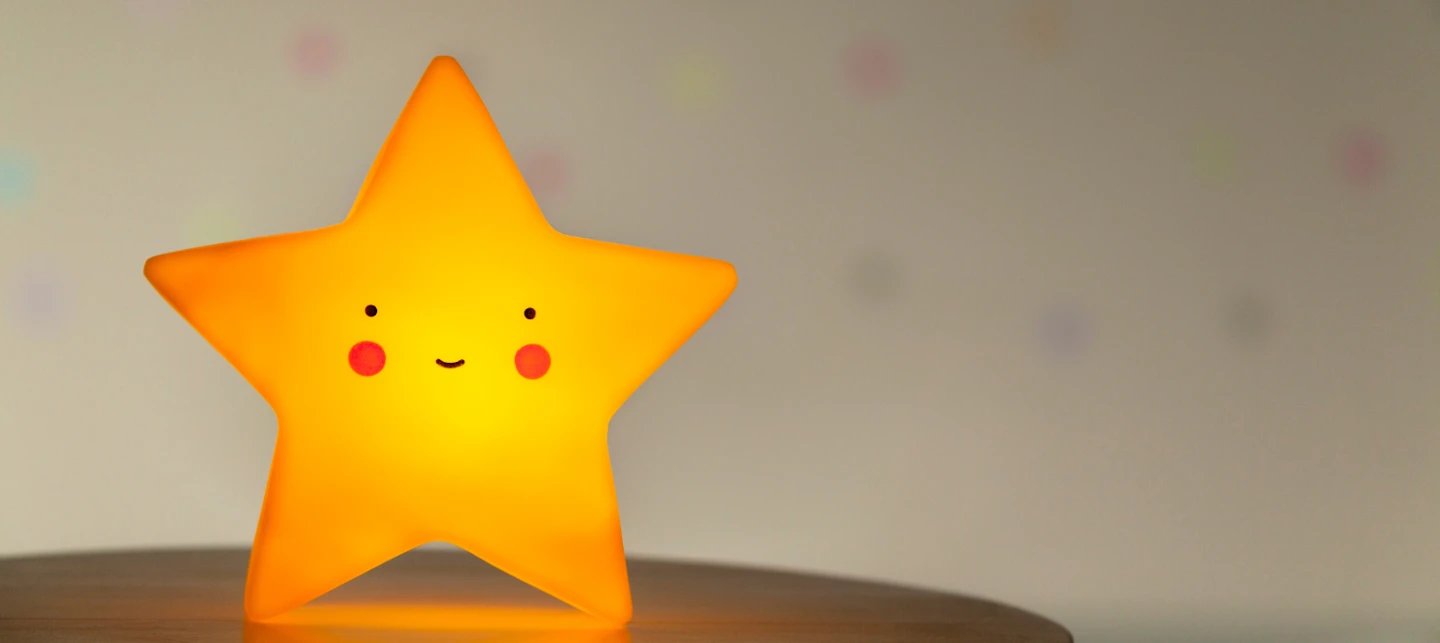


A tiny nightlight can set the mood of your baby’s room — sometimes helping them settle, sometimes doing the opposite. In fact, the color of that glow plays a bigger role in sleep than most of us realize. The color and brightness of bedtime lighting can sometimes affect how easily babies and toddlers (and people of all ages) wind down, and how smoothly their internal clock begins to regulate sleep [1]. This guide breaks down what actually matters (and what doesn’t) when it comes to nightlights, so you can create a cozy, sleep-friendly space without overthinking the bulbs. Let’s talk glow.
Why light color matters for your baby’s sleep
Light can shape the cozy atmosphere of your child’s room, and it can also play a role in the biology of sleep. Different wavelengths — e.g., the color and brightness or intensity — influence how much melatonin the body produces. Melatonin is the sleep hormone that helps regulate circadian rhythms and guides sleep-wake patterns [2]. Although very young babies typically don’t start producing and releasing melatonin until they are around 3 months old, [3] keeping bedtime lighting gentle and warm can make winding down easier for everyone.
Which light colors best support infant rest
Some nightlight colors are better for promoting sleep. The goal is to choose lighting that lets you move around safely at night during diaper changes and check-ins without signaling to your child’s brain that it’s time to wake up.
1. Warm, dim lighting (red and amber tones)
Choose a dim, warm-toned option (like red or amber) whenever possible. Research in children suggests cool, blue-toned light is more likely to interfere with melatonin production than warmer colors, especially in the evening hours [4]. These tones can still provide enough visibility for nighttime check-ins without flooding the room with alerting light.
2. Warm white (use sparingly if possible)
Warm white lights (often labeled around 2700K) can work in a pinch, as long as they stay dim. Research suggests that light in the hour before bedtime — even dimmer light — can suppress melatonin in young children [5]. So, keep your nightlight as dim as you can. If you have the choice, opt for red or amber. If not, stick with warm white and keep it dim.
Colors can disrupt nighttime melatonin
Some types of light are more stimulating and can make it harder to wind down. Blue-leaning and bright white tones tend to suppress melatonin more strongly, which can send an “it’s still daytime” signal right when you’re trying to cue sleep. Keeping these colors out of the bedtime environment (or saving them for daytime play) can make a noticeable difference.
1. Blue light
Blue light, especially from screens and many standard LED bulbs, has the most potent effect on melatonin suppression [6]. When possible, avoid blue-tinted lighting before bed. The American Academy of Pediatrics recommends avoiding screens at least 60 minutes before your child’s bedtime routine [7]. However, that may not be realistic for some families, at least some of the time. And that’s ok!
2. Bright white or green light
Bright white LEDs and some green-leaning (fluorescent) bulbs can also negatively impact sleep [8]. These tones are more stimulating to the brain and can disrupt settling if they’re used close to bedtime. Overhead lighting, certain night lights, and digital displays are the most common culprits.
Familiar sources of disruptive light: Phones, tablets, TVs, overhead LED bulbs, digital clocks.
Duration matters: Even brief exposure to bright or blue-leaning light can make it harder for little bodies to shift toward sleepiness [5].
Why it adds up: Regular exposure to stimulating light in the evening may make it harder for babies and young children to wind down at bedtime [9].
How bright should a baby’s nightlight be?
The brightness of a nightlight matters too [10]. For sleep, the goal is the tiniest amount of light you can comfortably use — enough to handle feedings or diaper changes, but not bright enough to wash the room in a glow. Low lighting helps protect melatonin production and preserves the calm, sleepy atmosphere babies and kids need to settle.
Can a nightlight help with nighttime fears?
As babies grow into toddlerhood, it’s common for new fears — including fear of the dark — to show up. A night light can be comforting in these moments, as long as it doesn’t introduce more distraction or disruption. If your child seems uneasy at bedtime, a dim red or amber light can offer just enough reassurance without further impacting their sleep.
Practical tips for using nightlights at bedtime
A little planning goes a long way toward creating a sleep-friendly glow. These simple adjustments can help you get the benefits of a nightlight without disrupting your baby’s rest.
1. Keep it dim
Choose the lowest brightness setting possible. A quick test: Stand across the room, and if you can clearly make out details, the light is likely too bright. Aim for just enough illumination to move safely.
2. Position it low
Place the nightlight near the floor and away from your baby’s crib or bassinet. This reduces direct exposure to their eyes and keeps the overall lighting softer and more diffuse [1].
3. Use only when needed
Nightlights are most helpful for feedings, diaper changes, or quick check-ins. But for toddlers and preschoolers, they can also play a role in easing nighttime fears. Balance is key: keeping lighting dim enough to support melatonin while still offering reassurance when your child needs it. Motion-activated night lights can be a great option, since they provide light when necessary without staying on all night.
Should babies nap in total darkness?
Once day-night confusion has resolved (typically by around 8 weeks), most babies nap more soundly in a darkened room. Darkness reduces stimulating visual input making it easier for little bodies to settle into restorative sleep.
Why darkness helps: A dim environment can lead to longer, more restful naps and support healthy sleep patterns as your baby grows.
Easy ways to darken the room: Blackout curtains, covering bright LEDs, and closing doors can help keep the space calm and consistent.
A healthy balance: Light exposure during awake time is great for babies (and everyone!). Bright daylight during wake windows helps reinforce the distinction between day and night, which is especially important in the early weeks of life [11].
A reassuring note for parents and caregivers
Adjusting nightlight color and brightness is just one small piece of your baby’s overall sleep environment — and there are plenty of other factors that also influence sleep quality. Lighting tweaks can support calmer nights, but they’re not make-or-break elements.
If you’re looking for more personalized support for your baby’s sleep, we can help! With Huckleberry Premium, you can submit a sleep plan that gives you step-by-step customized guidance tailored to your baby’s age and your parenting preferences.
Share article:

Note: The content on this site is for informational purposes only and should not replace medical advice from your doctor, pediatrician, or medical professional. If you have questions or concerns, you should contact a medical professional.
11 Sources
Share article: