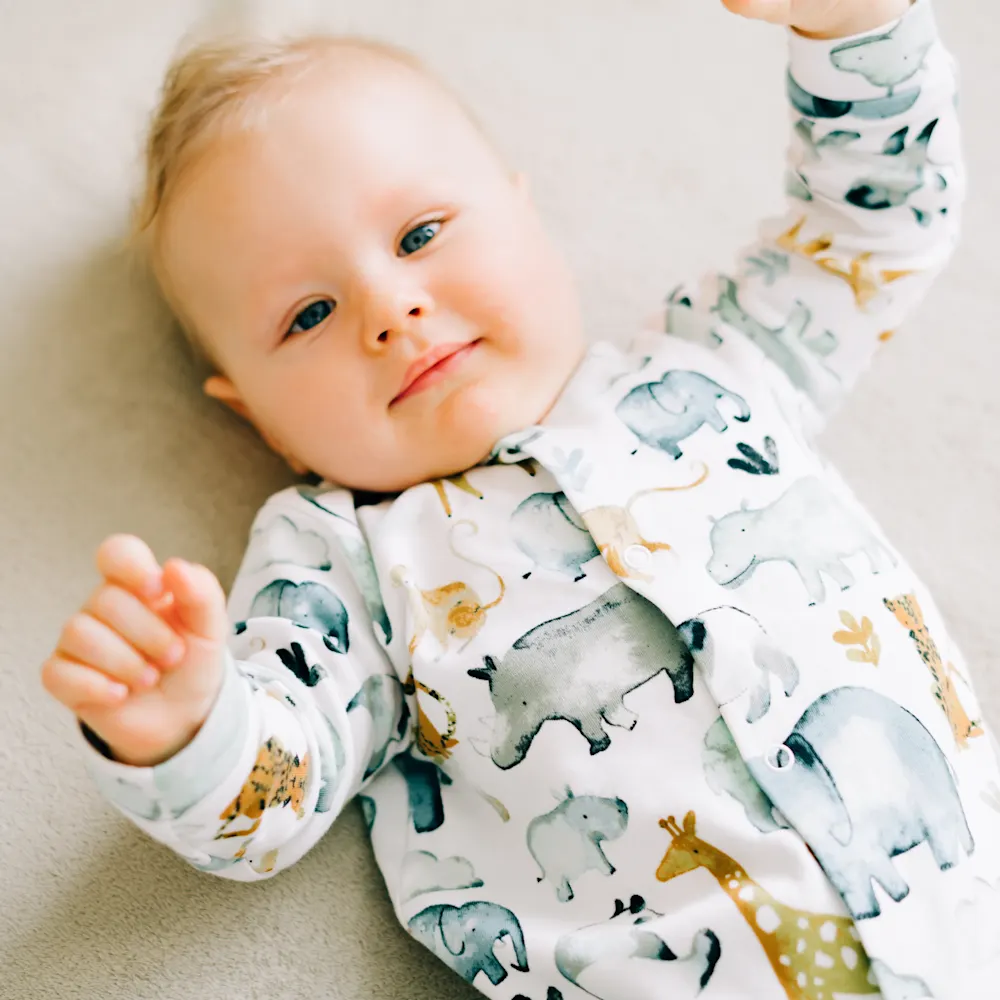
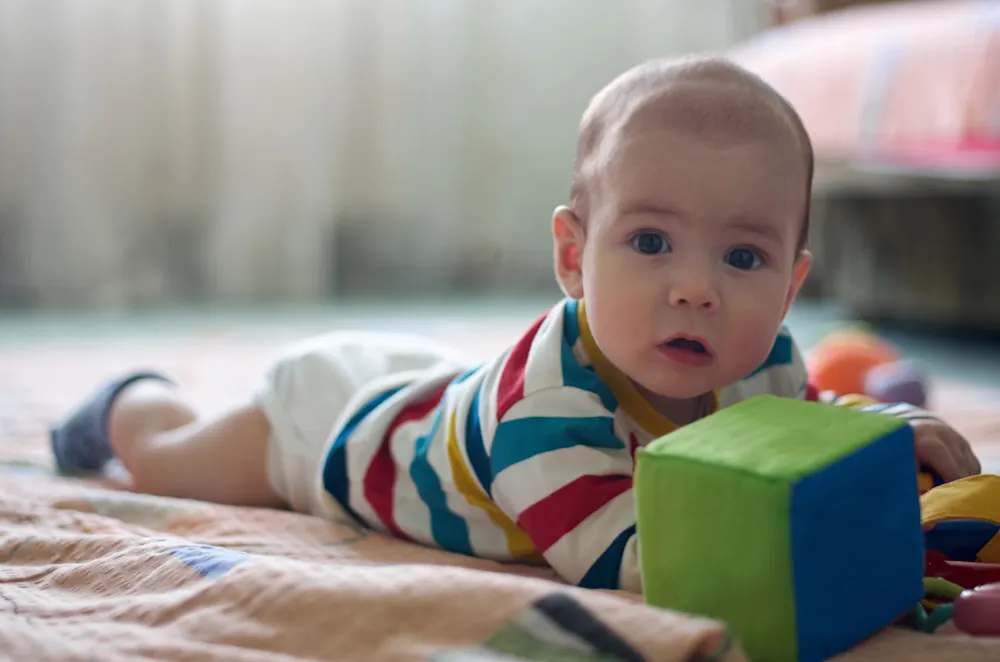
How many baby clothes do you really need for a newborn?
Updated Sep 03, 2026
Up-to-date
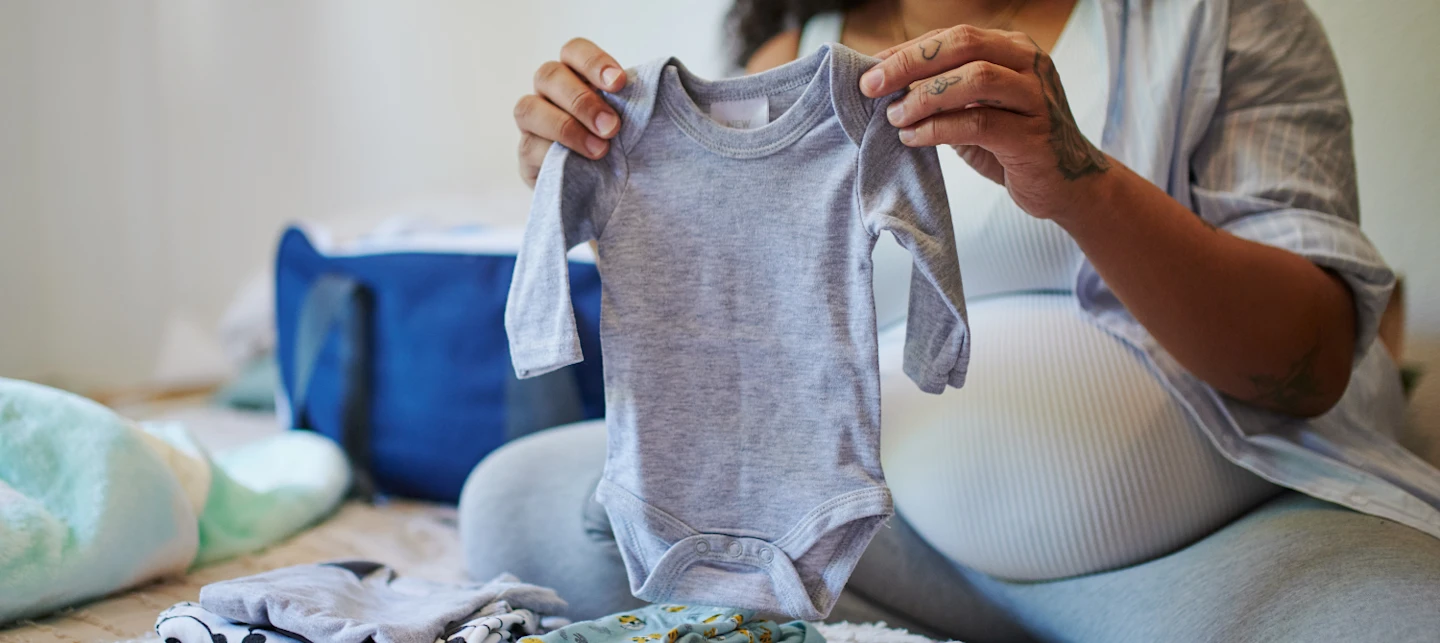


Preparing for a new baby often brings up practical questions: How many clothes does a newborn actually need? With tiny outfits, hand-me-downs, and well-meaning gifts piling up fast, it’s easy to overbuy — or worry you haven’t bought enough. For most families, “newborn” refers to the first few weeks of life, when babies are typically in newborn or 0- to 3-month sizes (depending on the brand). During this short window, a small set of well-chosen essentials is usually more than enough!
How many clothes does a newborn typically need?
Needs can vary based on your lifestyle, the season your baby is born in, and how often you plan to do laundry. A baby born in winter will need different layers than one born in summer, and families who wash clothes every day can get by with fewer items than those who do laundry once or twice a week, for example. (You’d be surprised how messy a tiny baby can be!)
Here’s a realistic starting point many families find works well:
Clothing type | Suggested quantity | Considerations |
Onesies and bodysuits | 6 - 10 | Used daily and very versatile for weather and climate (long-sleeved and short-sleeved), changed and washed often due to spit-up, diaper blow-outs, and leaks |
Swaddles | 2 - 3 | Helpful for sleep and calming, available in a number of textiles (cotton, muslin, etc.) to match the season and your baby’s comfort needs |
Pajamas and footies | 4 - 7 | Versatile from day-to-night, zip and snap options simplify changing |
Pants and leggings (bottoms) | 3 - 5 | Can be optional depending on climate, season, and comfort, or if you mostly use footies |
Socks | 4 - 6 pairs | Frequently lost (and quickly outgrown!) |
Hats | 1 - 2 | Mostly for outdoor wear or cooler weather (remove for sleep to avoid overheating) |
Sweaters (or other outerwear layers) | 1 - 2 (typically optional) | Useful for layering when needed |
How many outfits does a newborn need per day?
In the early weeks, many newborns go through more than one outfit a day — sometimes several. This is less about fashion and more about the messy realities of newborn life.
Common reasons for outfit changes include:
Spit-up after feeding
Diaper leaks or blowouts
Temperature changes (especially with layering)
Comfort or fit issues
Because outfit changes can add up, many families prefer doing laundry every 2 - 3 days. That said, having a few extra sets of the essentials can be a lifesaver for families who don’t have regular access to laundry or just prefer doing fewer loads, which can be helpful in those hazy newborn weeks.
What size baby clothes should you buy?
Deciding which size of baby clothes to buy before your baby is even born can be tricky. While many buy “newborn” size by default, some babies outgrow it quickly or skip that sizing stage altogether.
Newborn sizing
Although there is a lot of brand variance, “newborn” sizes are generally designed for babies weighing roughly 6 - 8 pounds and measuring up to 21.5 inches long. These sizes are typically worn for 2 - 4 weeks, but smaller babies often wear newborn sizes for longer, usually up to about 6 weeks.
Size 0 - 3 month
The next size up is 0- to 3-months, which tends to fit babies weighing from about 8 - 12 pounds. Babies born larger (over 8 - 9 pounds) may fit into this size right away. Either way, babies tend to grow quickly, making this size a practical option to have on hand early.
Premature sizing
Special premature sizes are designed for babies born early or at a lower birth weight, typically under about 6 pounds. Not all premature babies will need preemie clothing for long, and some may fit into newborn sizes fairly quickly as they gain weight. If you’re expecting a preterm birth or your baby arrives smaller than anticipated, it’s usually fine to start with a few preemie basics, then transition to newborn sizes as your baby grows.
Newborn clothing checklist for first-time parents
If you’re setting up your first newborn wardrobe, think of this as a starter checklist, not a complete shopping list. These basics cover everyday needs without overloading drawers or laundry baskets. (Plus, people love to buy baby clothes and having a starting point for a registry or a list on hand if someone asks what you need can be helpful.)
Onesies or bodysuits (short- and long-sleeved)
Sleepers or footie pajamas
Pants or leggings (optional, depending on outfit style)
Socks
One weather-appropriate outer layer (like a jacket, cardigan, or sweater)
Swaddles or sleep sacks
What to look for when choosing newborn clothes
When shopping for newborn clothes, it can be easy to focus on style, but comfort and simplicity are good too — you’ll want to reach for an outfit without any snaps for those late-night changes, for example. Clothing that’s simple to put on (and take off) can make frequent outfit changes easier for both you and your baby.
Of course, part of the fun of the expecting phase is picking a few items that you absolutely love — even if they include a zillion tiny, adorable buttons. But when it comes to practical items, look for garments that:
Snap or zip down the front, rather than pulling over the head
Open fully at the legs to make diaper changes easier
Have loose, stretchy sleeves and necklines for gentle dressing
Are made from soft, breathable fabrics without tight bindings
Avoid strings, ribbons, or decorative ties, which can pose safety risks
Many onesies have envelope-style necklines with overlapping shoulder flaps, which let you pull the garment down over your baby’s legs instead of over their head, a helpful feature during quick or messy changes (hello, diaper blowouts). Little design details like this can make daily dressing faster and more comfortable in the early weeks as your baby adjusts to being handled and changed often.
Washing and caring for newborn clothes
Because newborns have sensitive skin, it’s generally a good idea to wash clothes before they’re worn for the first time. Many families wash baby clothes with regular laundry detergent, switching to fragrance-free or hypoallergenic options, especially if irritation occurs [1]. It’s not necessary to buy a specific “baby” detergent, unless you want to!
Choosing clothes made from simple, washable fabrics like cotton can make frequent washing easier without needing anything fancy. Small habits — like fastening Velcro before washing or using a mesh bag for socks — can also help clothes last longer through the newborn stage.
How to avoid overbuying baby clothes
A few simple strategies can help you keep your newborn’s wardrobe manageable and flexible.
Start with essentials: Focus on everyday basics first, like onesies and sleepers, and see what you actually use before adding more.
Avoid buying too many sizes in advance: Babies often grow quickly, and it’s hard to predict how long they’ll stay in newborn or 0- to 3-month clothes, or whether larger sizes will line up with the right season when your baby actually fits into them.
It’s OK to be selective with hand-me-downs: Take what fits your season, storage space, and laundry routine — and feel free to pass along the rest.
If there’s space and budget, go for “just because” items: Once you have the essentials, extra clothes are optional. Of course it’s okay to choose some items just because they’re fun.
How to dress a newborn comfortably (and safely)
Newborns aren’t as adaptable to temperature changes like older kids and adults are, so clothing choices often depend on their environment [2]. A helpful general rule is to dress your baby in one more layer than an adult would wear to feel comfortable in the same space.
In warmer weather, a single lightweight layer is often enough to keep your baby comfortable
In cooler weather, breathable layers are usually preferable (and safer) than bulky outfits, especially in a car seat
In general, safe sleep guidelines include avoiding weighted blankets and clothing to reduce the risk of SIDS [3]
Once your baby shows signs of rolling, it’s important to stop swaddling and transition to arms-free sleep sacks to support safety during sleep
Babies born prematurely may need an extra layer early on, since their bodies can take longer to adjust to temperature changes [4].
How to tell if your baby is too warm or too cool
If you’re unsure whether your baby is too warm or too cool, place a hand on your baby’s tummy or back to get a sense of their overall body temperature [5]. This method tends to be more accurate than feeling their hands or feet, which can still feel cool even when your baby is at a comfortable, safe temperature.
Cold weather and car seat safety
Cold weather can make jackets and outerwear feel like a no-brainer, especially for car rides. But because bulky layers can prevent a car seat harness from fitting snugly against your baby’s body, it’s safer to dress your baby in thin, warm layers for the ride and put on warm outerwear once you arrive at your destination [6]. After buckling your baby in, you can also add warmth by placing a blanket over the harness, rather than underneath it.
Share article:

Note: The content on this site is for informational purposes only and should not replace medical advice from your doctor, pediatrician, or medical professional. If you have questions or concerns, you should contact a medical professional.
6 Sources
Share article: