Make potty training easier with a potty training tracker
Updated Sep 29, 2026
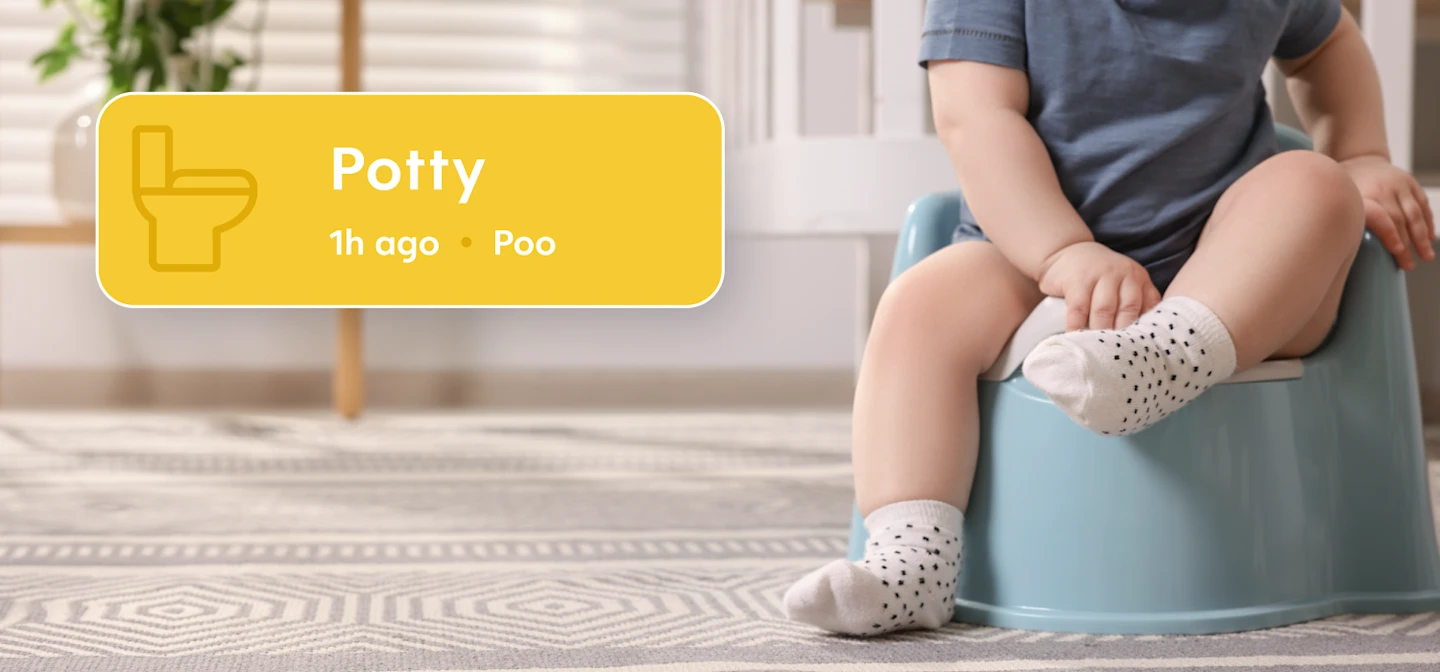

Potty training already asks a lot of parents—constant reminders, quick cleanups, endless encouragement, and all the feelings about how quickly your child is growing. Plus, there’s the constant wonder about that last accident — resistance? Distraction? Bad timing? When every day brings a new surprise, a potty training tracker can help you have clarity in the “messy” moments, giving you more confidence in your next steps.
Tracking potty habits isn’t intended to add pressure or lead to perfection. It’s about noticing patterns, celebrating progress, and taking some of the mental load off your plate. Instead of wondering how long it’s been since your child tried on the potty, you have a clear picture right in front of you. That clarity can at least make one aspect of potty training feel more doable.
In this article, we’ll explore common challenges and how a potty training tracker app can support you and your child through this big milestone.
Potty training challenges
Potty training is rarely a straight line. It’s more like a winding path with a few (or sometimes more than a few) surprise puddles along the way. There are proud moments that make you think: “We’ve got this!”, that then may immediately be followed by setbacks that leave you second-guessing everything. That back-and-forth is entirely normal. Understanding the most common challenges can help you approach this stage with more patience and perspective.
Unpredictable setbacks
Accidents are a natural part of learning, but that doesn’t make them any less frustrating. You might see several dry days in a row, only to be followed by a sudden wave of accidents that feels like a big step backward. These moments may stir up doubt. Is my child regressing? Did I push too hard? Are they just not ready? It may feel like your child is 'regressing,' but these shifts are often just a sign that your child is focused on learning a new skill or navigating a change in routine. Learning how to use the potty consistently takes time, and accidents are simply part of how children figure it all out.
Inconsistent timing
Some days, your child seems to go like clockwork, happily sitting on the potty at predictable times. Other days, you’ll offer a potty break and get nothing — only for an accident to happen minutes later. This inconsistency can make it hard to know when to prompt your child, especially if they’re engaged in play or distracted by new routines, such as daycare, travel, or a schedule change.
Because children are still learning to notice and respond to their body’s cues, timing often feels unpredictable at first. That uncertainty can leave parents wondering whether they’re offering the potty too often, not often enough, or simply at all the “wrong” moments.
It’s also worth remembering that this process asks a lot of you, too. You’re navigating guesswork, timing, and big emotions, so try to be kind to yourself as you go.
Multiple caregivers
When more than one adult is helping with potty training, staying coordinated can be a challenge. Parents, grandparents, daycare teachers, and babysitters may all be supporting your child at different points in the day. Without clear communication, it’s easy to lose track of key details.
Keeping track of progress
In the midst of busy days filled with meals, naps, outings, and playtime, it’s surprisingly hard to remember the finer details of how potty training is going. How many successful potty trips happened today? Did accidents happen less often than last week? When progress is gradual, it can be easy to overlook it altogether. It’s easy for parents to feel stuck or unsure, even when their child is actually making steady improvements.
Benefits of tracking potty training
So many things go into potty training days: quick potty sits, near misses, encouraging successes, sticker chart celebrations, and the occasional accident, of course. On their own, those moments can feel random and sometimes discouraging. A potty training tracker helps stitch them together into a clearer picture, so you can see trends over time.
Here’s how tracking can make a meaningful difference for you:
Reveals patterns in potty timing (like that potty trip right before morning snack that keeps happening)
Helps you choose better moments to prompt potty breaks
Shows overall progress across multiple days or weeks
Reduces the stress of second-guessing if this potty training thing is going OK
Helps all caregivers stay on the same page
Provides reassurance during plateaus or potty “regressions”
Creates clear wins you can celebrate at the end of the day
Features to look for in a tracker
Not all potty trackers are created equal. A truly helpful potty training app should reduce mental load, not add one more frivolous thing to manage. Before choosing one, it’s worth looking for features that fit naturally into real life — busy days, distracted toddlers, quick potty attempts, surprise accidents, and all. The right tracker should help you answer everyday questions like:
When should we try the potty again?
Are accidents becoming less frequent?
Is what we’re doing actually working?
Here are the features that can make a potty training tracker feel like it’s adding value to your day:
The ability to add simple and quick entries
Clear categories that are easy to log
Visuals or summaries that show trends over time
Shared access across caregivers or devices
Custom reminders
Success tips for using potty tracker apps
Tip #1: Log in real time when possible
Life happens fast and so do potty moments. Logging right away (even if sometimes you’re hoping to forget!) helps keep a clear picture of your child’s progress and avoids relying on memory later.
Tip #2: Look for patterns, not perfection
One off day doesn’t define progress. Logging helps you review trends over several days to get a more realistic picture of how potty training is going. This can reassure you or give you the tools to decide if pivoting is the right call
Tip #3: Use data to guide timing (or set reminders!)
If you notice your child often needs to go to the bathroom 30 minutes after meals or first thing after waking, use these patterns as a guide for when to offer a potty break. You can maximize this info further by setting reminders in the app to help cue your child’s next trip to the toilet, while also staying flexible and responsive to your child’s actual cues in the moment.
Needing reminders can be helpful in the beginning of potty training as everyone navigates this new normal and gets used to the rhythm of bathroom trips. You’ll likely need fewer prompts as your child becomes more tuned in to their own body cues.
And if you’re already planning to use a timer anyway, an app that also lets you track and add notes can make this feel more streamlined than solely using your phone alarm.
Tip #4: Keep caregivers in the loop
Sharing the tracker with other caregivers reduces confusion and helps everyone respond to your little one’s needs consistently.
Tip #5: Celebrate small wins
Tracking makes progress more tangible. Trends like fewer accidents or more willingness to sit on the toilet are steps forward worth noticing.
Tip #6: Adjust as your child grows
Early on, you might log every little detail and trip to the bathroom. Later, you might find it helpful to only track successes or accidents. You’re in the driver's seat and can use the potty tracker to best suit your needs, now and in the future. Tracking isn’t meant to be overwhelming.
How parents can use Huckleberry for potty training
Huckleberry makes potty tracking easy and clear, whether you’re just starting out or navigating the final stretch of ditching diapers. You can log potty attempts, accidents, and other data (like pee, poo, size, and consistency) directly into the app. You can also customize what you see on your home screen, and share data across caregivers, giving you that personalized touch. Worried you might forget when to have your little one try again? You can use Huckleberry's customizable reminders to help stay consistent with your child’s routine. You can choose certain times (such as 12 PM and 4 PM) or certain time intervals (such as 1 hour from the last logged potty attempt). Huckleberry allows you to track as much or as little as you need, keeping your home screen focused on the routines that matter most to you in this moment.
With a Premium subscription, you can also use Berry, Huckleberry’s expert-vetted AI chat, as a sounding board for all the questions that may come up in the potty training process. Berry can help you through the whole process, from determining your child’s readiness to navigating any regressions or resistance.
Share article:

Note: The content on this site is for informational purposes only and should not replace medical advice from your doctor, pediatrician, or medical professional. If you have questions or concerns, you should contact a medical professional.
Share article:


